File 01 — Automotive Restraint India

Sourcing Safety Components With Confidence.

Automotive seatbelts and restraint components selected for professional buyers seeking dependable sourcing, clear product information and coordinated import support.

Focus
Seatbelts & restraint components
Served
Workshops, fleets, trade buyers
Method
Identify, evaluate, coordinate
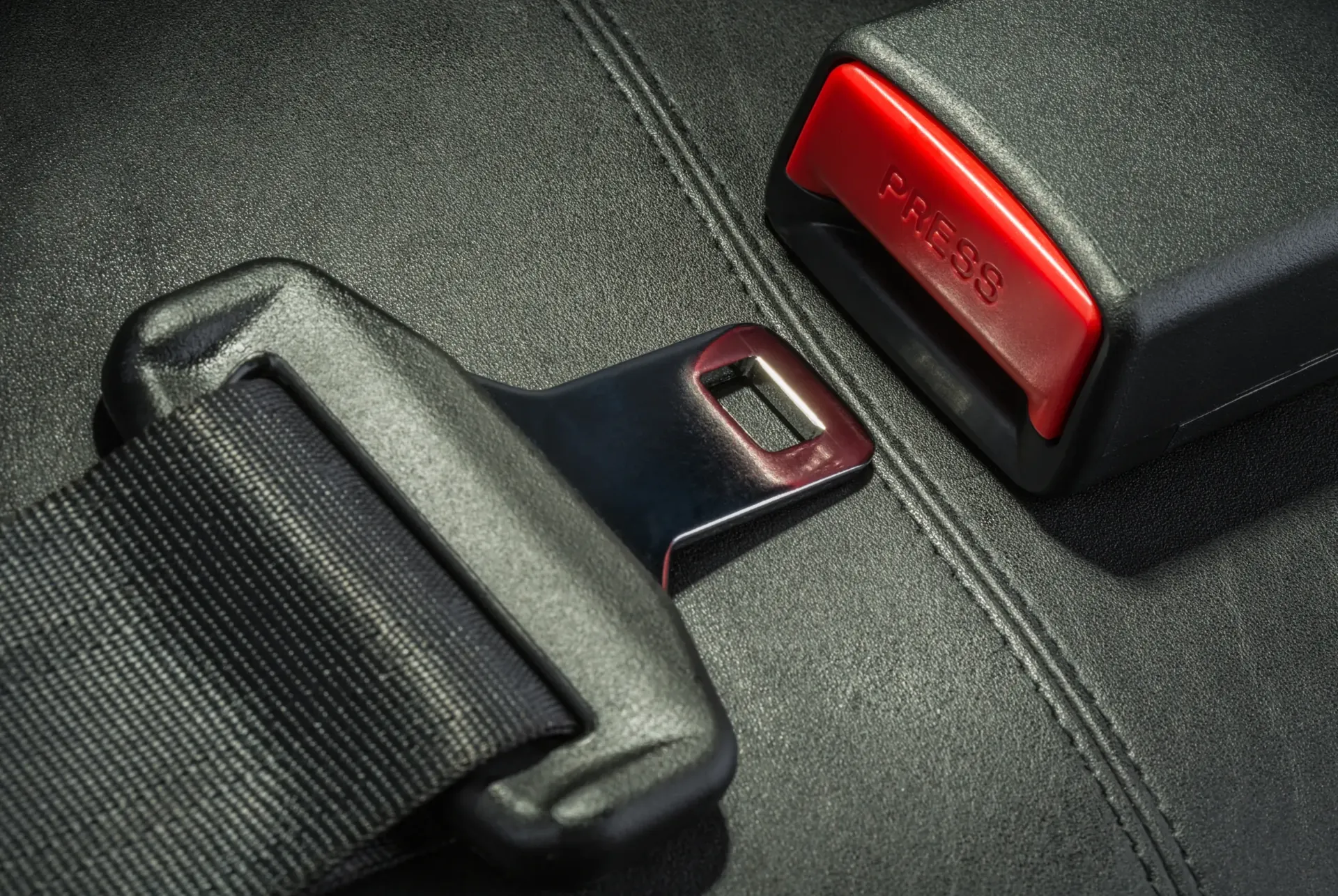
Close-up of an automotive seat belt tongue plate resting beside a black buckle receiver with a red press-release button on a stitched leather seat.
Ref. SBI / A-01 Subject Tongue & buckle receiver Category Restraint assembly

A specialist source for automotive seatbelts and restraint components, serving buyers who need dependable product selection and import support.

§ 02 / 06 Why Sourcing Matters

Two seatbelts can look identical and still be the wrong answer.

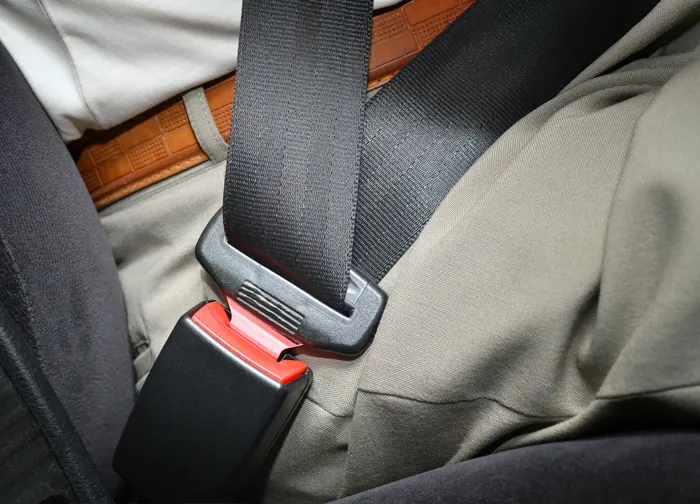
A fastened automotive seat belt across an occupant's lap with the tongue plate locked into the buckle receiver.
Ref. SBI / A-05 Engaged restraint — front seating position

Visual similarity is the least reliable way to select a safety component. A belt that matches in colour and webbing width may still differ in the details that decide whether it can be correctly installed and used in a particular vehicle.

That is the work an importer and sourcing specialist actually does — narrowing a broad category down to a component that suits the application in front of you, and being clear about what is known and what still needs to be confirmed.

  • a
    Vehicle and application identification

    The make, model, model year, body type and the exact seating position a component is intended for.

  • b
    Component compatibility

    Whether the part is designed to work with the surrounding hardware already fitted to the vehicle.

  • c
    Mounting configuration

    How and where the component anchors, and the orientation the arrangement requires.

  • d
    Buckle and tongue compatibility

    A tongue plate and a receiver are a matched pair; a visually close substitute is not automatically an equivalent one.

  • e
    Retractor characteristics

    Where a retractor forms part of the requirement, its type and behaviour need to be established rather than assumed.

  • f
    Dimensions and condition

    Relevant measurements, along with the condition and completeness of what is being supplied or replaced.

  • g
    Documentation and buyer requirements

    Any paperwork, records or internal standards the buyer needs the transaction to satisfy.

Read how selection works

§ 03 / 06 The Procurement Journey

From a described requirement to a supplied component.

A general explanation of how a sourcing and import workflow moves. Every enquiry differs, and the specifics of any individual transaction are confirmed with the buyer directly.

01

Requirement

The enquiry is captured in the buyer's own terms — what the vehicle is, what is being replaced or fitted, how many units are involved and what the component has to do. Photographs of the existing part, where one exists, carry more information than a written description alone. Nothing is assumed at this stage.

02

Product Identification

The requirement is translated into a product definition: category, configuration, mounting arrangement, relevant dimensions and any visible markings on the existing component. Where information is missing, it is flagged and requested rather than filled in by guesswork.

03

Source Evaluation

Possible sources are assessed against the defined product — what can actually be supplied, in what condition, in what quantity and on what terms. The buyer is told plainly which options match the requirement and where a compromise would be involved.

04

Import Coordination

Where the component is sourced from outside India, the movement of goods has to be coordinated. International transactions typically involve commercial, shipping and regulatory documentation, and the requirements vary by transaction and by jurisdiction. Applicable requirements are confirmed case by case.

05

Delivery & Supply

The component is supplied to the buyer with the product information available for it. Where a requirement is likely to repeat — a workshop's regular replacement need, or a fleet's ongoing standard — the details are recorded so the next enquiry starts from a known reference point.

Open the full sourcing file

§ 04 / 06 Product Detail

Every component sits inside a larger arrangement.

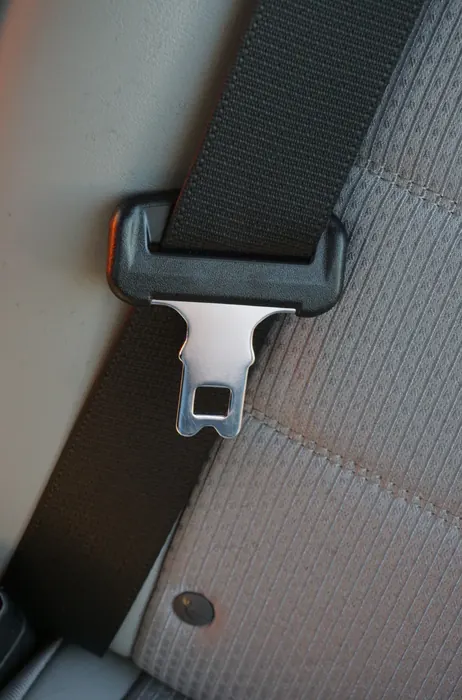
Seat belt webbing running through an upper anchorage point on a vehicle B-pillar, photographed against a window at dusk.
Plate A-06 Archive
Product Category
Seatbelt assembly — upper anchorage arrangement
Application
Front seating position in a passenger vehicle, where the webbing is routed through an anchorage on the pillar before returning to the retractor.
Requirement
When a buyer asks for “a seatbelt”, this is usually the arrangement in question — webbing, an upper routing point, a tongue and a receiver working as one system. Identifying which element needs supply is the first useful step.
Considerations
Anchorage arrangement, webbing routing, tongue profile and the seating position involved. Confirm what is fitted before selecting a replacement.
Technical Information
Available on request, subject to the product being sourced.
§ 05 / 06 Applications

Who the requirement is actually for.

The right product is decided by the application, not by the category. A passenger car replacement, a commercial vehicle requirement and a fleet standard each start from a different question.

A driver in a white shirt wearing a fastened seat belt at the wheel of a car, with a second occupant belted in the rear seat behind him.
Ref. SBI / A-07 Occupants restrained — front and rear seating positions
01

Passenger Vehicles

Cars and personal vehicles where a belt at a specific seating position needs to be sourced or replaced. The vehicle details and the position involved narrow the requirement quickly.

02

Commercial Vehicles

Vehicles in working use, where availability and turnaround matter as much as the component itself, and where the operating environment shapes what is suitable.

03

Fleet Requirements

Multiple vehicles held to one standard. Consistency across units is usually the objective, which makes recorded product detail more valuable than a one-off match.

04

Automotive Workshops

Trade buyers identifying a component on a customer's behalf. Accurate identification up front avoids a part that arrives and turns out not to suit the vehicle.

05

Replacement Requirements

An existing component that has to be replaced. Photographs, markings and measurements of what is already fitted are the most useful starting point.

06

Professional Buyers

Procurement and trade contacts sourcing on behalf of an organisation, where clear product information and a documented enquiry trail are part of the requirement.

See applications in detail

§ 06 / 06 Quality & Information

The Right Product Starts With the Right Information.

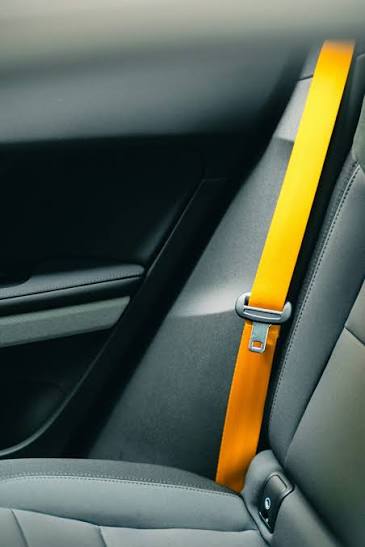
Rear bench seat in tan leather with a dark seat belt running vertically past the tongue plate, lit by a shaft of daylight.
Ref. SBI / A-08 Rear seating position — belt at rest

Sourcing a safety component well is mostly a question of information quality. What is known about the part, what is known about the vehicle, and what has been checked rather than assumed.

  • 01
    Product identification

    Establishing what the component actually is — category, configuration and the arrangement it belongs to — before a source is considered.

  • 02
    Consistency

    Where a buyer needs several units, they should match one another. Recorded detail is what makes a repeat supply consistent.

  • 03
    Inspection

    Visual checking of what is supplied — webbing condition, hardware condition, completeness of the item against what was described.

  • 04
    Application suitability

    A component is suitable for an application or it is not. A general-purpose seatbelt is not automatically appropriate for a particular vehicle.

  • 05
    Documentation

    Buyers should confirm the documentation their transaction, jurisdiction and intended use require, and ask for what they need in writing.

  • 06
    Communication

    Saying clearly what is known, what is being sourced and what has not been established is more useful than confident language.

  • 07
    Responsible sourcing

    Where a requirement cannot be met properly, the right answer is to say so rather than supply an approximate substitute.

Quality & product selection

Next Step

Have a Seatbelt Requirement? Let’s Identify the Right Solution.

The more you can tell us at the start, the more accurate the answer will be. Where possible, please include:

  • Vehicle make, model, model year and body type
  • The seating position and application involved
  • Photographs of the existing component, including any visible markings
  • What the component needs to do, and the quantity where relevant
Send an Enquiry